 Business License
Thermal Pad vs Thermal Paste: Which TIM Is Better for AI Servers?
Thermal Pad vs Thermal Paste: Which TIM Is Better for AI Servers?
As artificial intelligence continues to drive demand for high-performance computing, AI servers are becoming increasingly powerful and thermally demanding. High-performance GPUs, CPUs, AI accelerators, HBM, and power components can generate significant amounts of heat during continuous operation.
Effective AI server thermal management is therefore critical for maintaining computing performance, system stability, and long-term reliability.
One of the most important decisions in thermal management is selecting the right Thermal Interface Material (TIM). Among the most widely used solutions are thermal pads and thermal paste.
So, when it comes to thermal pad vs thermal paste, which TIM is better for AI servers?
The answer depends on the specific interface, gap, thermal requirements, mechanical structure, and assembly process.
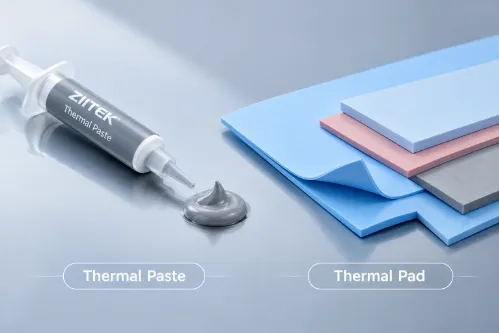
Thermal Pad vs Thermal Paste: What Is the Difference?
Both thermal pads and thermal paste are designed to improve heat transfer between a heat-generating component and a heat dissipation structure such as a heatsink, cold plate, or vapor chamber.
However, their physical properties and application methods are different.
What Is a Thermal Pad?
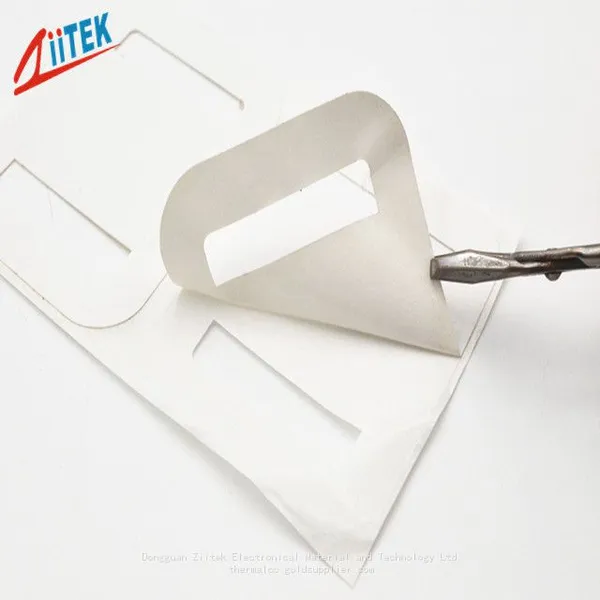
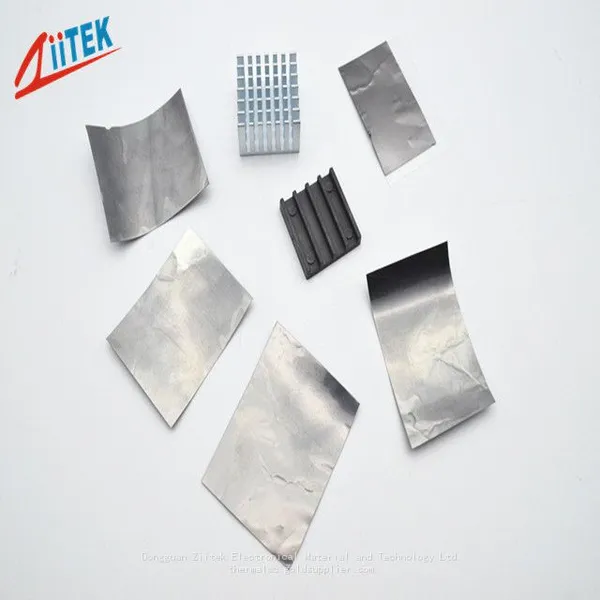
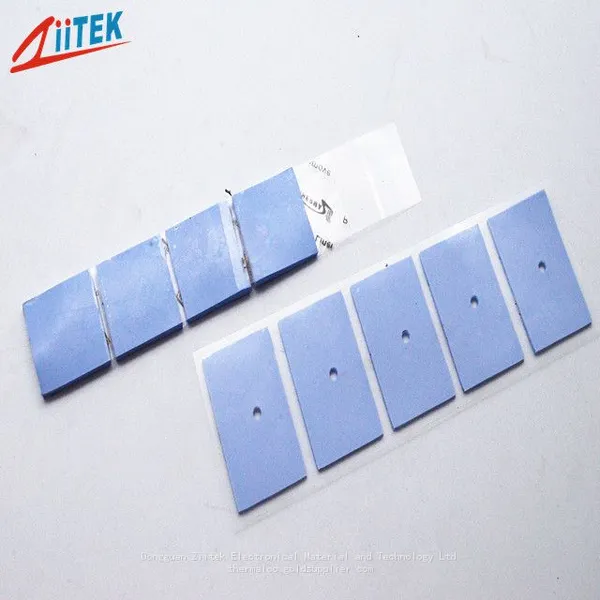
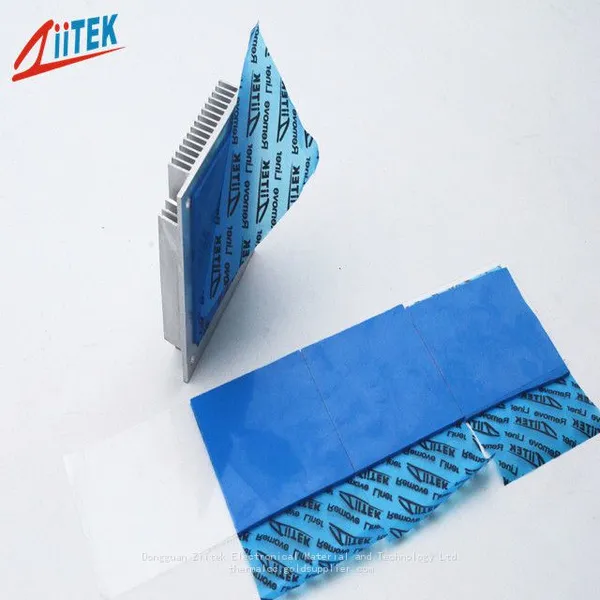
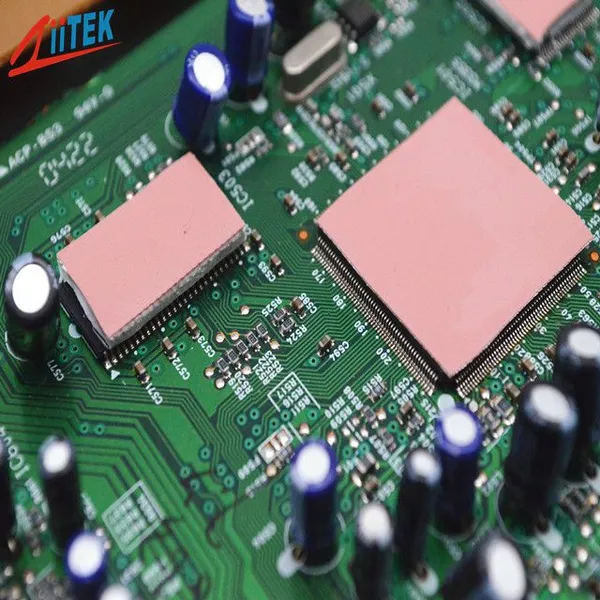
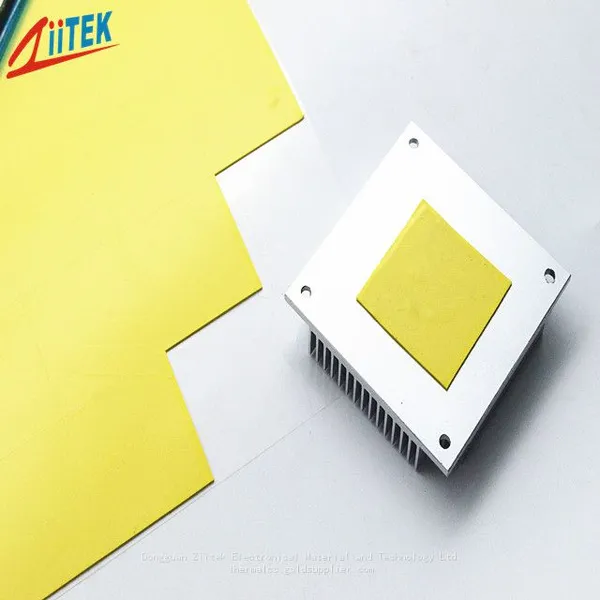
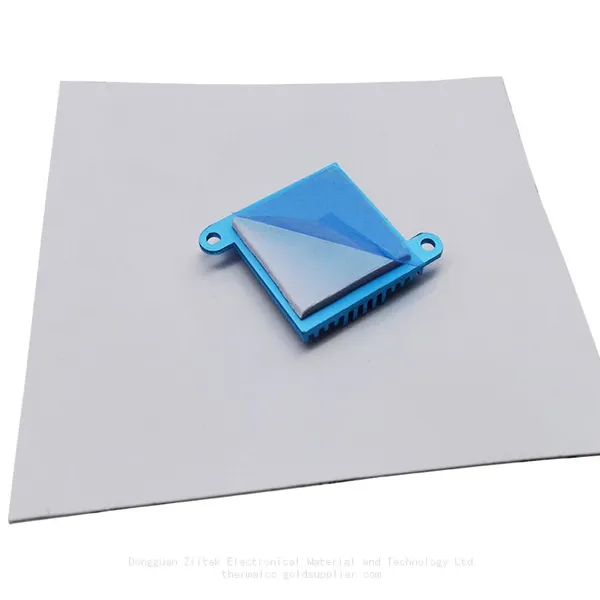
A thermal pad is a pre-formed solid TIM with a defined thickness. It is placed directly between electronic components and cooling structures to fill the air gap and improve thermal transfer.
Thermal pads are available in different thicknesses, thermal conductivity levels, hardnesses, and electrical properties.
For AI servers, thermal pads can be used for applications involving GPUs, CPUs, memory components, VRMs, power ICs, and other heat-generating devices.
Key advantages include:
Controlled thickness
Good gap-filling capability
Easy handling and installation
No dispensing equipment required
Available in electrically insulating formulations
Good mechanical compliance
Suitable for high-volume manufacturing
What Is Thermal Paste?
Thermal paste, also called thermal grease, is a flowable TIM applied between two surfaces.
It is designed to fill microscopic surface irregularities and reduce air gaps between the component and heatsink.
Thermal paste can provide excellent thermal performance when the interface is relatively thin and the application process is well controlled.
However, the final performance can depend on dispensing volume, bond-line thickness, surface condition, assembly pressure, and long-term material stability.
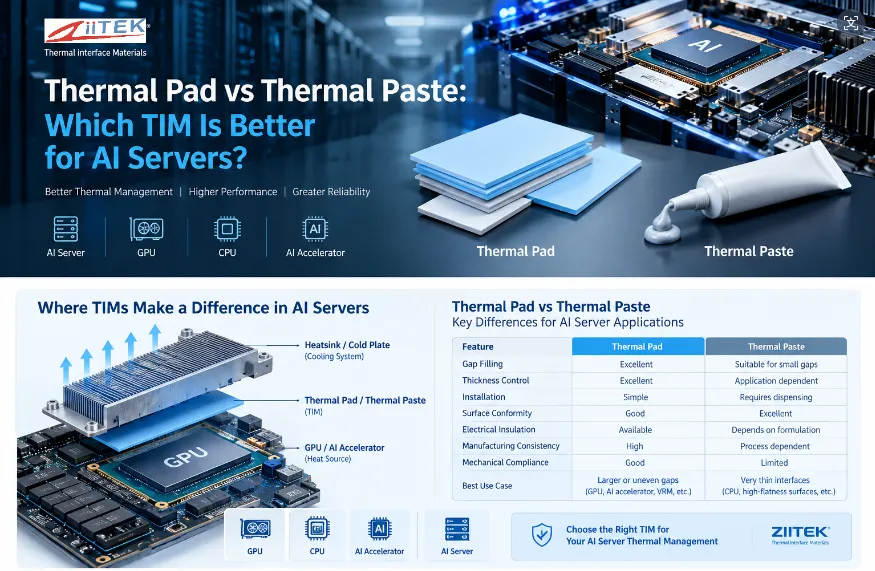
Thermal Pad vs Thermal Paste for AI Servers
There is no single TIM that is ideal for every AI server application.
The choice between a thermal pad and thermal paste should be based on the actual interface requirements.
| Requirement | Thermal Pad | Thermal Paste |
|---|---|---|
| Gap filling | Excellent | Suitable for small gaps |
| Thickness control | Excellent | Application dependent |
| Installation | Simple | Requires dispensing |
| Surface conformity | Good | Excellent |
| Electrical insulation | Available | Depends on formulation |
| Manufacturing consistency | High | Process dependent |
| Large interface areas | Suitable | Application dependent |
| Mechanical compliance | Good | Limited by formulation |
| Process cleanliness | Generally cleaner | Requires process control |
For interfaces with a defined or relatively large gap, thermal pads can provide a practical solution because the material thickness can be precisely selected.
For very thin interfaces between closely matched surfaces, thermal paste may offer advantages because it can conform closely to microscopic surface irregularities.
Why AI Server Thermal Management Is Becoming More Challenging
AI computing platforms continue to increase computing density and power consumption.
Modern AI servers may contain multiple high-performance GPUs or AI accelerators operating continuously under heavy workloads. This increases the amount of heat that must be transferred from the semiconductor package to the cooling system.
The TIM therefore becomes an important part of the overall thermal path:
AI Accelerator / GPU → TIM → Heatsink or Cold Plate → Cooling System
Even when a cooling system has sufficient capacity, poor contact between the component and cooling structure can increase thermal resistance.
For this reason, selecting a TIM based only on nominal thermal conductivity is not enough.
Engineers should also evaluate:
Thermal resistance
TIM thickness
Interface gap
Compression
Surface flatness
Electrical insulation
Mechanical stress
Thermal cycling
Long-term reliability
Manufacturing process
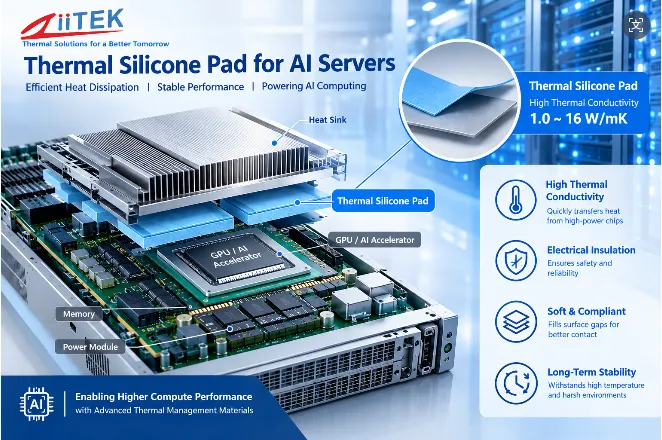
Thermal Pads for GPU and AI Accelerator Applications
GPUs and AI accelerators are among the most thermally demanding components in modern computing systems.
A thermal pad can be used where the cooling structure must accommodate a specific interface gap or component height tolerance.
Depending on the system design, thermal pads may be used around:
GPU modules
AI accelerator packages
HBM and memory components
VRM components
MOSFETs
Power ICs
Voltage regulators
Network processors
High-speed communication components
For these applications, engineers may need to balance thermal conductivity with softness, compression, thickness, and electrical insulation.
A very high thermal conductivity material is not necessarily the best solution if it cannot properly fill the interface or accommodate mechanical tolerances.
Thermal Pads for CPU and High-Power Components
CPUs in high-performance servers can also generate substantial heat.
The interface between the CPU package and cooling solution typically requires a TIM capable of minimizing thermal resistance while maintaining reliable contact during long-term operation.
Depending on the mechanical structure, thermal paste, thermal pad, or another specialized TIM may be considered.
The appropriate material should be selected based on the actual interface geometry and thermal design rather than simply choosing the highest thermal conductivity specification.
How to Choose the Right TIM for AI Server Thermal Management
When selecting a TIM for an AI server, several parameters should be evaluated.
1. Thermal Conductivity
Thermal conductivity indicates the material's ability to transfer heat.
However, thermal conductivity alone does not determine the final thermal performance of the assembly.
2. Thermal Resistance
Thermal resistance considers the complete thermal interface and can provide a more application-oriented indication of TIM performance.
A thinner TIM with appropriate thermal conductivity may achieve lower overall thermal resistance than a thicker material with a higher nominal conductivity.
3. Interface Thickness
The TIM should match the actual gap between the heat-generating component and cooling structure.
Thermal pads are particularly useful when a controlled and consistent thickness is required.
4. Compression and Mechanical Properties
A TIM must accommodate the mechanical conditions of the assembly.
A soft and compressible thermal pad can help compensate for component height differences and surface irregularities while reducing excessive mechanical stress.
5. Electrical Insulation
In some AI server applications, electrical insulation is an important requirement.
An electrically insulating thermal pad can provide heat transfer while helping maintain electrical isolation between components and cooling structures.
6. Long-Term Reliability
AI servers may operate continuously under high computational loads.
TIM selection should therefore consider thermal cycling, aging, material stability, and long-term interface performance.
Thermal Pad or Thermal Paste: Which One Should You Choose?
The best choice depends on the interface.
A thermal pad may be suitable when the application requires:
Defined thickness
Reliable gap filling
Mechanical compliance
Electrical insulation
Easy installation
Consistent production processes
A thermal paste may be suitable when the application requires:
Very thin interface layers
Excellent surface conformity
Close contact between relatively flat surfaces
A controlled dispensing process
In some AI server designs, both technologies may be used in different locations according to the thermal and mechanical requirements of each component.
Therefore, the real question is not simply “Thermal Pad vs Thermal Paste — which is better?”
The more important question is:
“Which TIM is better suited to the specific thermal interface?”
ZIITEK Thermal Interface Materials for AI Servers
ZIITEK develops and manufactures Thermal Interface Materials (TIMs) for demanding electronic thermal management applications.
Our thermal management solutions include thermal pads, thermal gels, thermal pastes, and other customized TIM solutions for applications such as AI servers, GPUs, CPUs, power electronics, telecommunications equipment, and high-performance computing systems.
ZIITEK thermal pad solutions are available in different thermal conductivity levels, thicknesses, hardnesses, and configurations to meet different interface requirements.
For AI server thermal management, our engineering approach focuses on more than thermal conductivity. We consider the complete interface, including:
Thermal Performance + Thickness + Compression + Electrical Insulation + Mechanical Compliance + Reliability
This application-oriented approach helps engineers select a TIM that matches the actual thermal and mechanical requirements of their system.
Need the Right TIM for Your AI Server?
Choosing between a thermal pad and thermal paste is an important step in developing an efficient AI server thermal management system.
If you are developing an AI server, GPU, CPU, AI accelerator, or other high-power electronic system, ZIITEK can help evaluate your thermal interface requirements.
Please provide the following information:
Application and component type
Interface gap
Required TIM thickness
Contact area
Operating temperature
Thermal conductivity target
Thermal resistance target
Electrical insulation requirements
Annual or estimated usage
Based on your requirements, ZIITEK can recommend a suitable thermal pad, thermal paste, thermal gel, or customized TIM solution.
ZIITEK — Thermal Interface Materials for AI Servers, GPUs and Next-Generation Computing.
Recently Posted
-
Ultra-Soft Thermal Pads for HBM, VRM and High-Density AI Servers
October 14, 2026Ultra-Soft Thermal Pads for HBM, VRM and High-Density AI ServersMeeting the Thermal Challenges of Next-Generation AI ComputingThe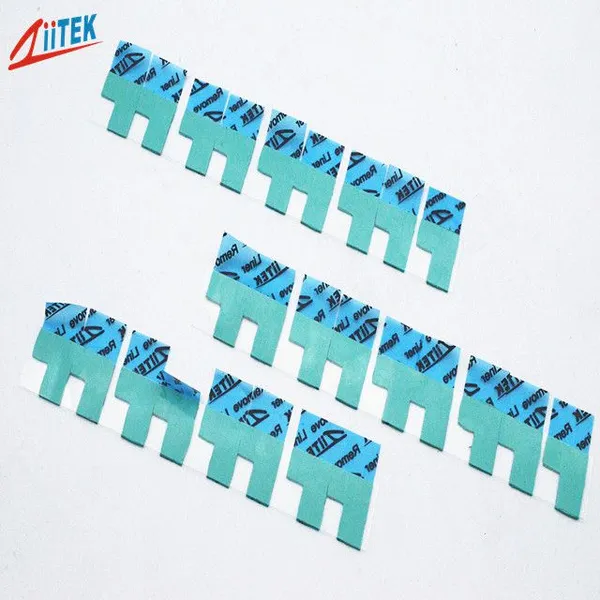 Read More
 -
How to Select Thermal Pad Thickness for AI Server Applications
October 9, 2026How to Select Thermal Pad Thickness for AI Server ApplicationsAs AI servers continue to handle increasingly demanding workloads, e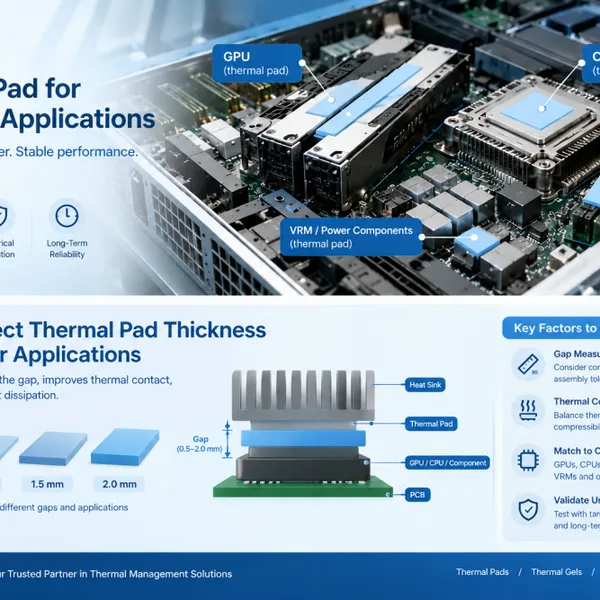 Read More
 -
Why Thermal Conductivity Is Not Enough When Choosing a Thermal Pad?
September 23, 2026Why Thermal Conductivity Is Not Enough When Choosing a Thermal Pad?When selecting a thermal pad, thermal conductivity is often the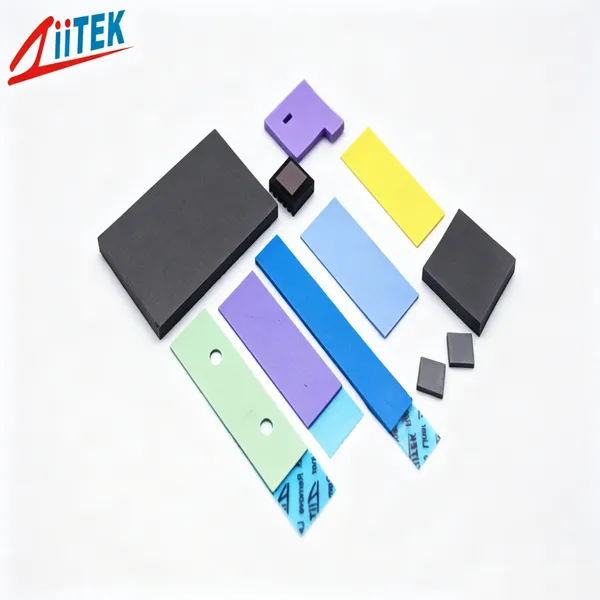 Read More
 -
Low-Dielectric Thermal Management Solution for 5G, AI Computing, and High-Frequency Electronics
September 4, 2026ZIITEK TIF®100N 8085-06: Low-Dielectric Thermal Management Solution for 5G, AI Computing, and High-Frequency ElectronicsWith the r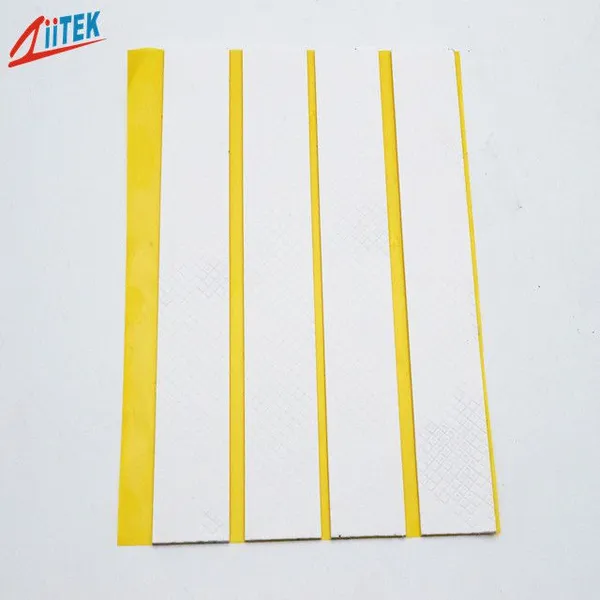 Read More

Contact Us

Recommended Products
-
 0.8W/mK Thermal Adhesive Tape With Excellent Thermal Conductivity and Adhesion Strength for in LED Lamp Heat Resistant ApplicationsUS$ 1 - 15MOQ: 10 Rolls
 -
Soft Silicone Base Thermal Pad 1.5W/mK Thermal Conductivity For In UAV And Electronic AssembliesNegotiableMOQ: 1000 Blades
-
Thermally Conductive CPU Thermal Pad Designed For In Electronic Devices To Improve Heat Transfer And Prevent Overheating IssuesNegotiableMOQ: 1000 Blades
-
Low Volatility Silicone Thermally Conductive Gap Filler Pads For Embedded MotherboardNegotiableMOQ: 1000 Blades
-
Electric Thermal Silicone Gap Filling Cooling Pad Thermal Absorbing Conductive Insulating PadNegotiableMOQ: 1000 Blades
-
High-Voltage Silicone Thermal Pad Insulation Material Heat Conduction Sheet For Efficient Heat TransferNegotiableMOQ: 1000 Blades
-
RoHS Certified 6.5W/M.K Thermal Pads Silicone Cooling Pad With Self-Adhesive For PC Laptop And AI Processors AI ServersNegotiableMOQ: 1000 Blades
-
CPU High Thermal Conductivity Die Cut Silicon Thermal Pad for AI Processors AI ServersNegotiableMOQ: 1000 Blades
-
Thermal Silicone Pad 5.0W High Conductivity Heat Dissipation Sheet For AI Servers, Inverters, Telecom DevicesNegotiableMOQ: 1000 Blades
-
Ideal Material Cut Into Any Shape Non-Toxic Silicone Thermal Pad For Medical DevicesUS$ 0.5 - 20MOQ: 1000 Pieces
-
Good Thermal Conductivity Thermal Pad Ultra Soft 0.5mm Ultra Soft Thermal Gap Pad For LED LightingUS$ 0.5 - 20MOQ: 1000 Pieces
-
Manufacrure High Durability 1.8W/M-K Thermal Conductive Silicone Pad For Electronic DevicesUS$ 0.5 - 20MOQ: 1000 Pieces
-
Low Melting Point Thermal Conductive Phase Changing MaterialUS$ 0.2 - 20MOQ: 1000 Pieces
-
TIF100-25-02F Ultra-Soft Silicone Thermal Conductive Pad for GPS Navigation And Other Portable DevicesUS$ 0.5 - 20MOQ: 1000 Pieces
-
Wholesale Customized 3.0W Thermal Conductive Silicone Free Gap Filler Pad for Battery Pack ApplicationUS$ 0.5 - 18MOQ: 1000 Pieces
-
Double Sided Thermal Conductive Tape for LED Light Integrated Circuit Packaging and Battery ManagementUS$ 1 - 15MOQ: 10 Rolls
-
Thermal Conductive Graphite Sheet For Mobile PhoneUS$ 0.1 - 10MOQ: 1000 Pieces
-
Insulation Silicone Thermal Pad Conductive Gap Filler Cooling Thermal Pad For Ev BatteryNegotiableMOQ: 1000 Pieces
-
Thermal Management Materials 3.0W Silicone Head Sink Thermal Pad for Electric Parts Heat TransferUS$ 0.1 - 10MOQ: 100 Pieces
-
Ultra Soft Graphite Sheet High Conductivity Thermal Heatsinks Film Graphite SheetsUS$ 0.1 - 10MOQ: 1000 Pieces