 Business License
The specific application of heat conduction sheet in heat dissipation of electronic components
The specific application of heat conduction sheet in heat dissipation of electronic components
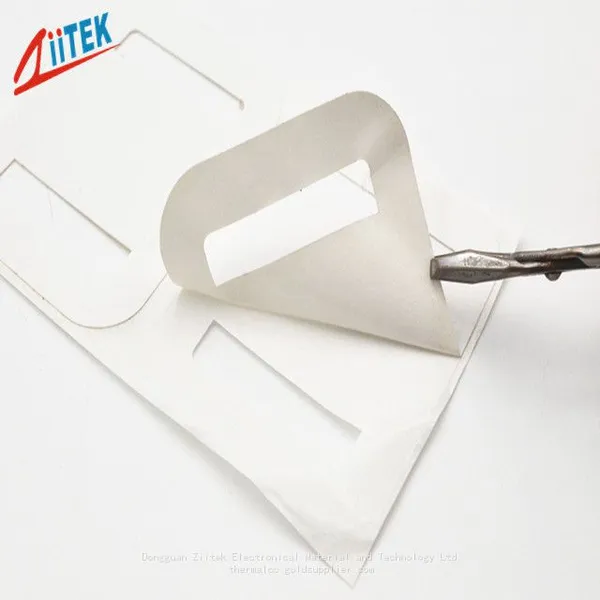
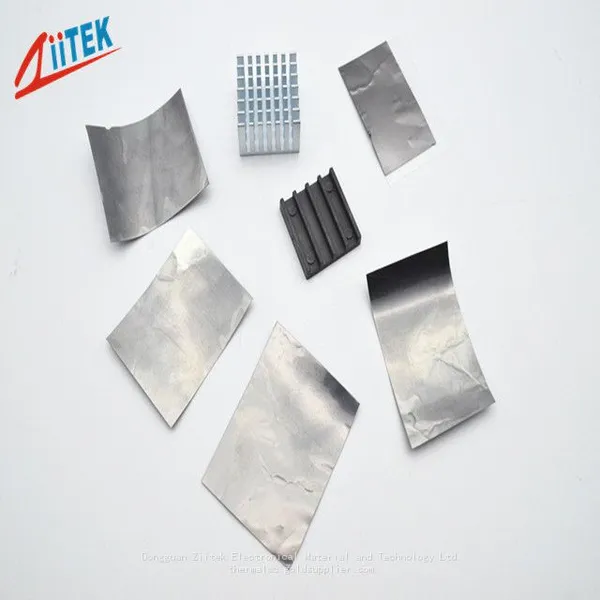
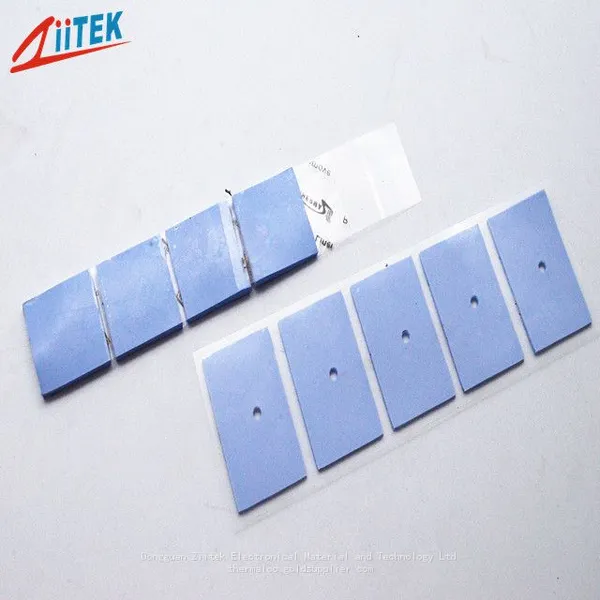
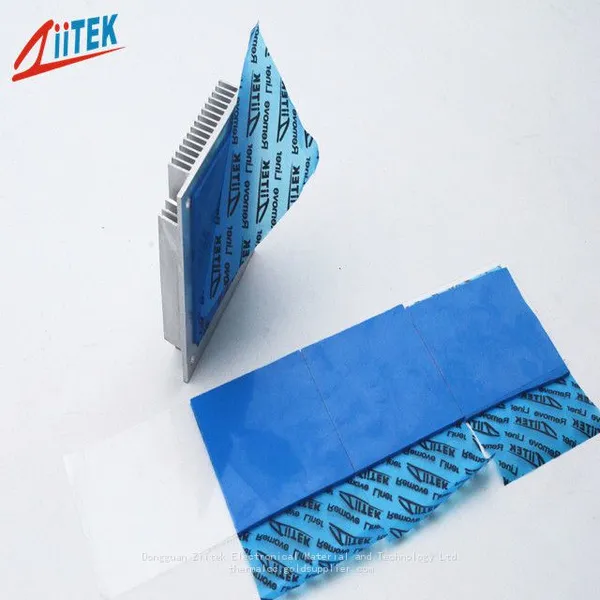
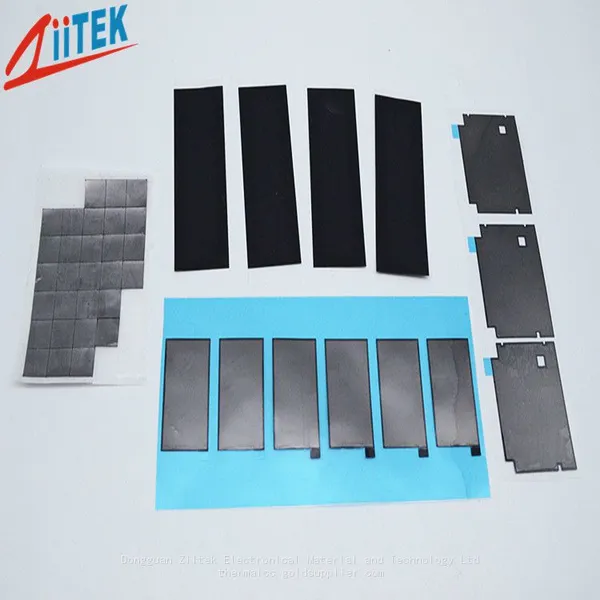
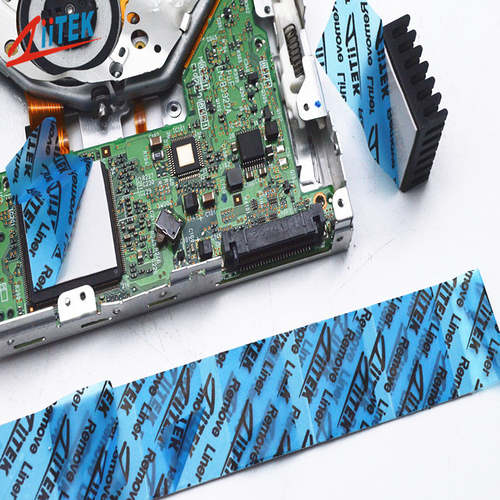
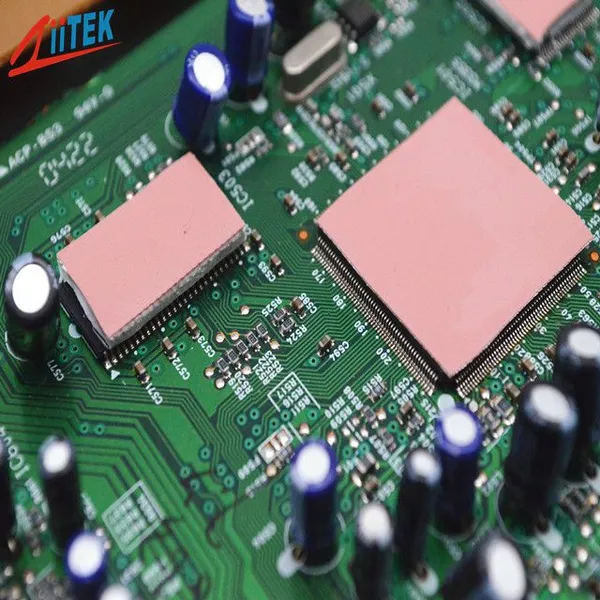
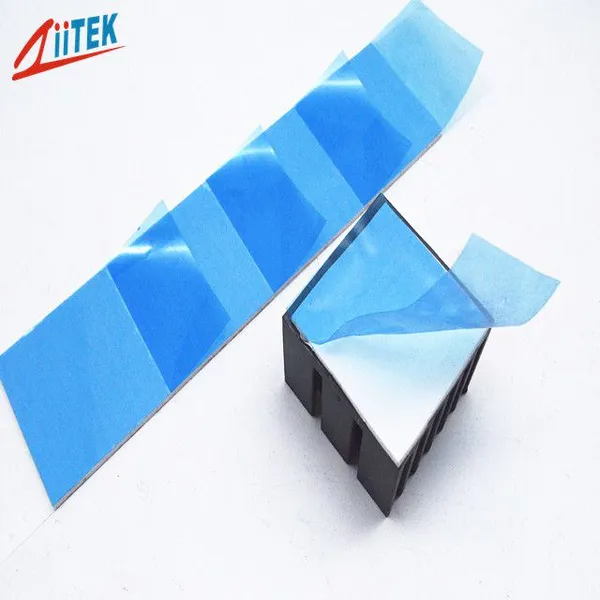
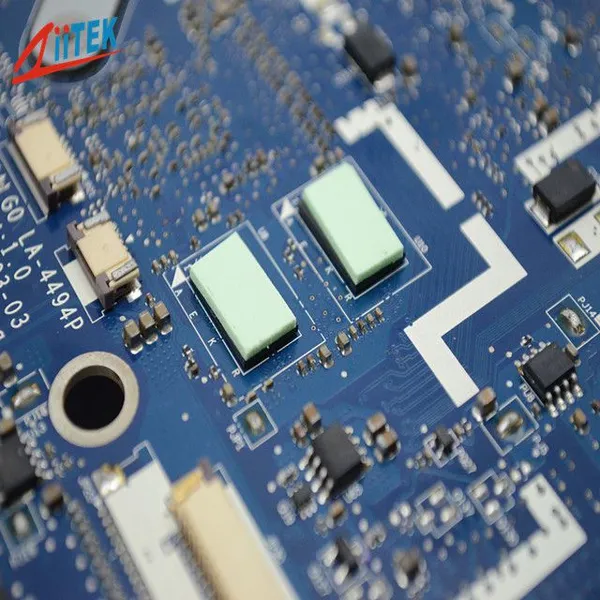
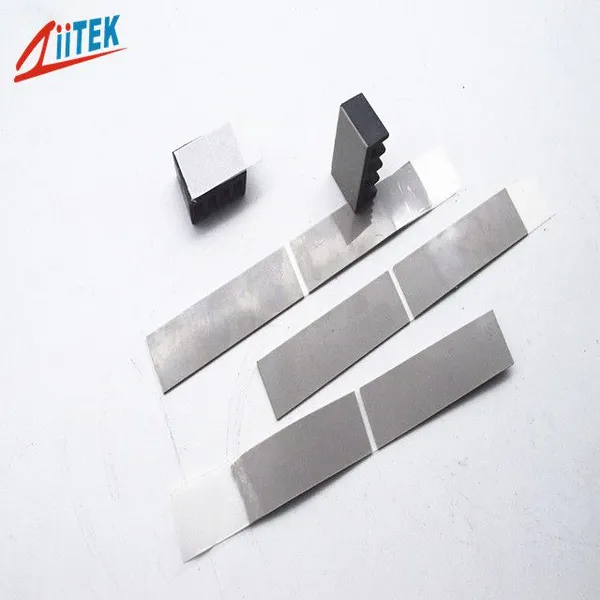
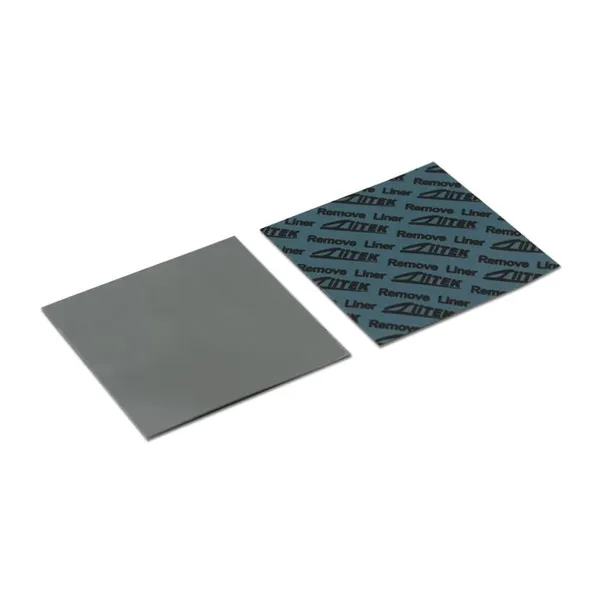
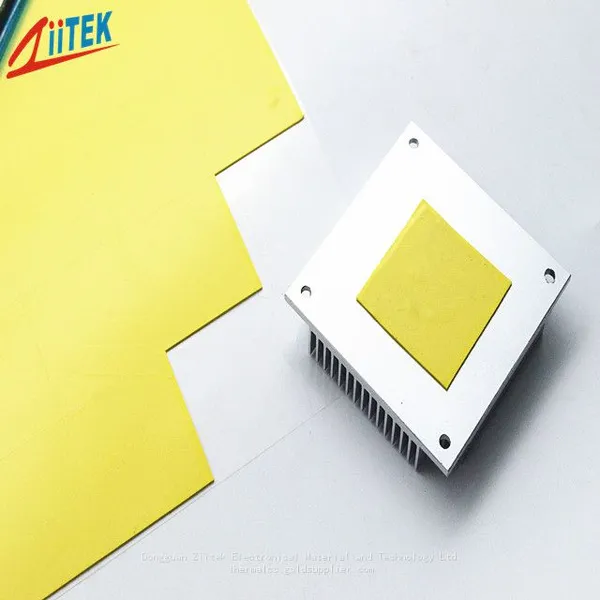
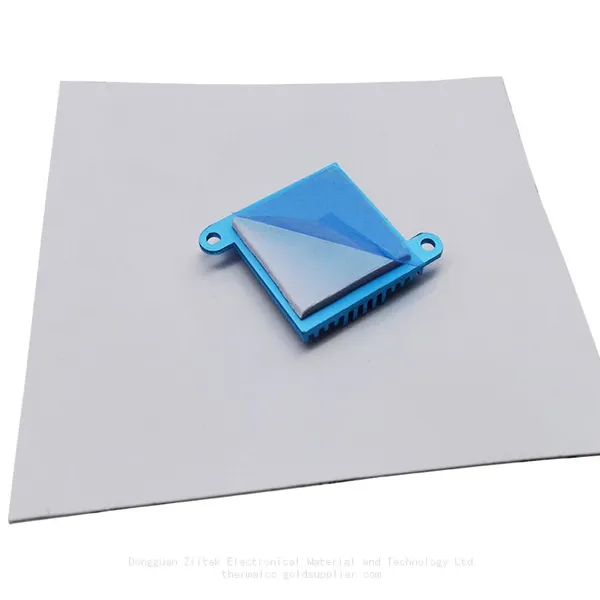
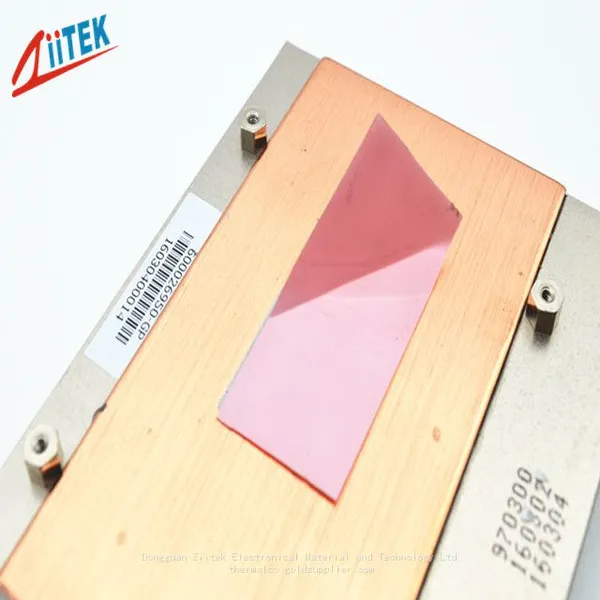
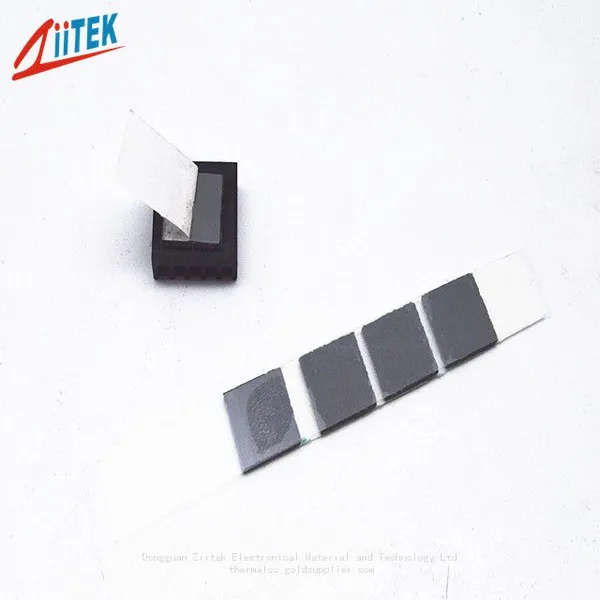
Thermal pad is an effective, safe and stable thermal interface material, which plays a crucial role in the heat dissipation of electronic components. The following is the specific application of thermal pads in heat dissipation of electronic components:
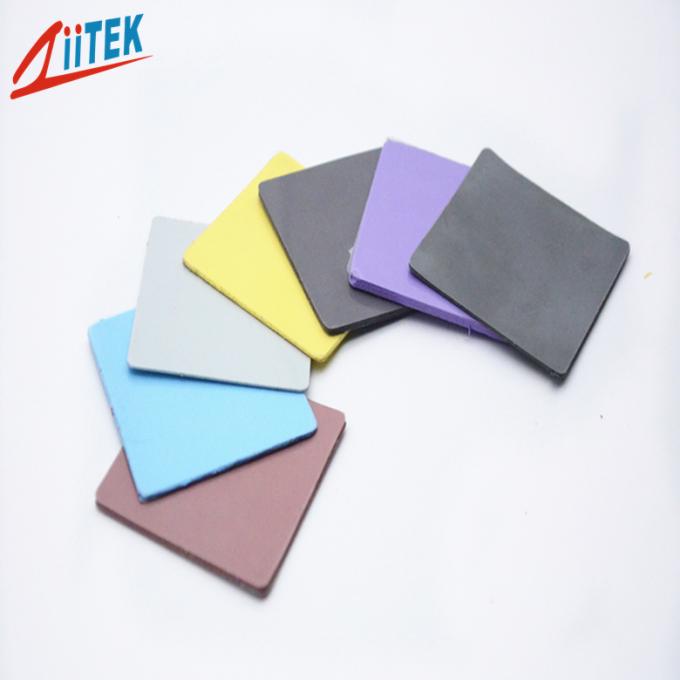
1, excellent thermal conductivity: thermal conductivity silica gel sheet has good thermal conductivity, can quickly and effectively conduct the heat generated by electronic components to the radiator or heat surface, so as to ensure the stability of the temperature of electronic components.
2, fill the gap: thermal conductive silica gel sheet can fill the small gap and uneven surface between electronic components and heat dissipation components, reduce thermal resistance, improve heat dissipation efficiency.
3, prevent overheating: thermal conductivity silica gel sheet can timely conduct the heat generated by electronic components, prevent overheating caused by heat accumulation, so as to protect the normal work of electronic components.
4. Buffer and shock absorption: thermal conductive silica gel sheet has a certain buffer and shock absorption effect, which can absorb the vibration and impact between electronic components and radiator, and reduce the risk of damage caused by vibration.
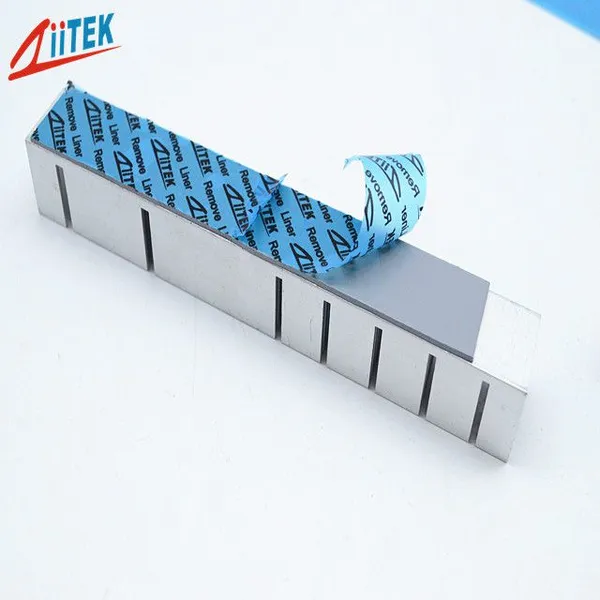
5, easy installation: the thermal conductivity silica gel sheet usually adopts the fit type design, the installation only needs to fit the thermal conductivity silica gel sheet on the electronic components or radiator, without cumbersome fixing screws or clasps and other accessories.
6, easy maintenance: if you need to clean or replace the thermal conductivity silicone sheet, it can be easily removed, and will not damage the electronic components or radiator.
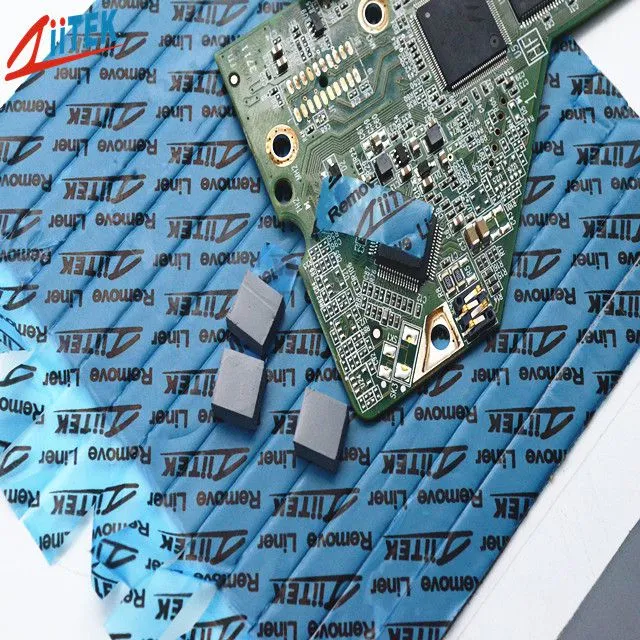
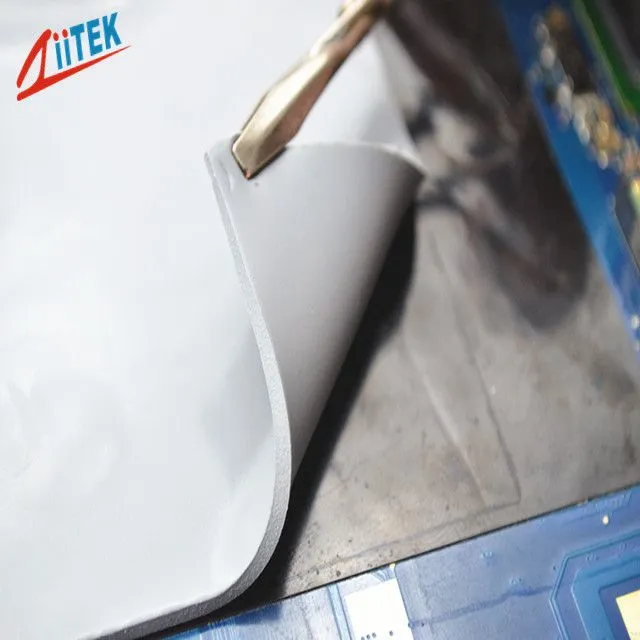
In short, as an effective, stable, safe and easy to install and maintain thermal conductive material, thermal pad is widely used in the heat dissipation of electronic components. It can ensure the stability of the temperature of electronic components, prevent overheating and damage, and improve the stability of the overall performance of electronic devices.
Recently Posted
-
Ultra-Soft Thermal Pads for HBM, VRM and High-Density AI Servers
October 14, 2026Ultra-Soft Thermal Pads for HBM, VRM and High-Density AI ServersMeeting the Thermal Challenges of Next-Generation AI ComputingThe Read More
 -
How to Select Thermal Pad Thickness for AI Server Applications
October 9, 2026How to Select Thermal Pad Thickness for AI Server ApplicationsAs AI servers continue to handle increasingly demanding workloads, e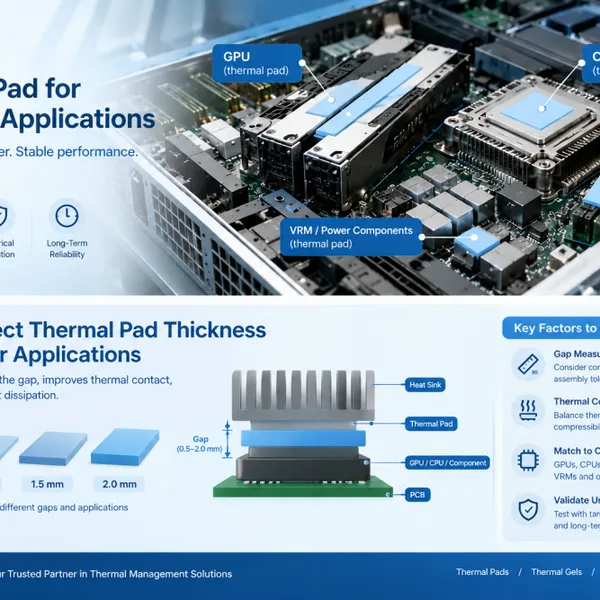 Read More
 -
Why Thermal Conductivity Is Not Enough When Choosing a Thermal Pad?
September 23, 2026Why Thermal Conductivity Is Not Enough When Choosing a Thermal Pad?When selecting a thermal pad, thermal conductivity is often the Read More
 -
Thermal Pad vs Thermal Paste: Which TIM Is Better for AI Servers?
September 17, 2026Thermal Pad vs Thermal Paste: Which TIM Is Better for AI Servers?As artificial intelligence continues to drive demand for high-per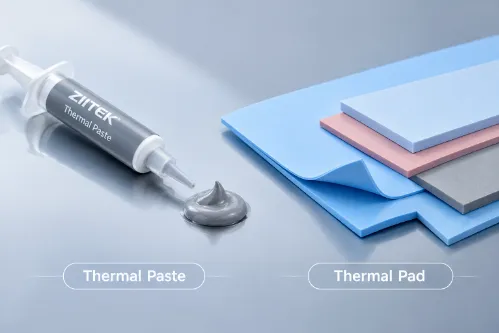 Read More

Contact Us

Recommended Products
-
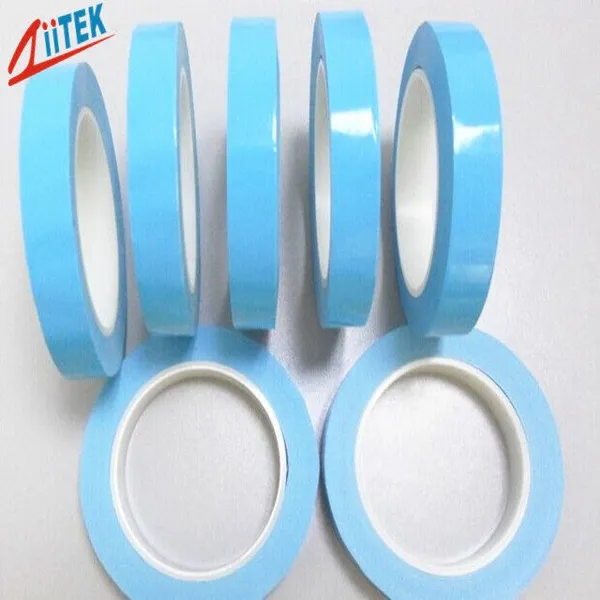
 0.8W/mK Thermal Adhesive Tape With Excellent Thermal Conductivity and Adhesion Strength for in LED Lamp Heat Resistant ApplicationsUS$ 1 - 15MOQ: 10 Rolls
 -
Soft Silicone Base Thermal Pad 1.5W/mK Thermal Conductivity For In UAV And Electronic AssembliesNegotiableMOQ: 1000 Blades
-
Thermally Conductive CPU Thermal Pad Designed For In Electronic Devices To Improve Heat Transfer And Prevent Overheating IssuesNegotiableMOQ: 1000 Blades
-
Low Volatility Silicone Thermally Conductive Gap Filler Pads For Embedded MotherboardNegotiableMOQ: 1000 Blades
-
Electric Thermal Silicone Gap Filling Cooling Pad Thermal Absorbing Conductive Insulating PadNegotiableMOQ: 1000 Blades
-
High-Voltage Silicone Thermal Pad Insulation Material Heat Conduction Sheet For Efficient Heat TransferNegotiableMOQ: 1000 Blades
-
RoHS Certified 6.5W/M.K Thermal Pads Silicone Cooling Pad With Self-Adhesive For PC Laptop And AI Processors AI ServersNegotiableMOQ: 1000 Blades
-
CPU High Thermal Conductivity Die Cut Silicon Thermal Pad for AI Processors AI ServersNegotiableMOQ: 1000 Blades
-
Thermal Silicone Pad 5.0W High Conductivity Heat Dissipation Sheet For AI Servers, Inverters, Telecom DevicesNegotiableMOQ: 1000 Blades
-
Ideal Material Cut Into Any Shape Non-Toxic Silicone Thermal Pad For Medical DevicesUS$ 0.5 - 20MOQ: 1000 Pieces
-
Good Thermal Conductivity Thermal Pad Ultra Soft 0.5mm Ultra Soft Thermal Gap Pad For LED LightingUS$ 0.5 - 20MOQ: 1000 Pieces
-
Manufacrure High Durability 1.8W/M-K Thermal Conductive Silicone Pad For Electronic DevicesUS$ 0.5 - 20MOQ: 1000 Pieces
-
Low Melting Point Thermal Conductive Phase Changing MaterialUS$ 0.2 - 20MOQ: 1000 Pieces
-
TIF100-25-02F Ultra-Soft Silicone Thermal Conductive Pad for GPS Navigation And Other Portable DevicesUS$ 0.5 - 20MOQ: 1000 Pieces
-
Wholesale Customized 3.0W Thermal Conductive Silicone Free Gap Filler Pad for Battery Pack ApplicationUS$ 0.5 - 18MOQ: 1000 Pieces
-
Double Sided Thermal Conductive Tape for LED Light Integrated Circuit Packaging and Battery ManagementUS$ 1 - 15MOQ: 10 Rolls
-
Thermal Conductive Graphite Sheet For Mobile PhoneUS$ 0.1 - 10MOQ: 1000 Pieces
-
Insulation Silicone Thermal Pad Conductive Gap Filler Cooling Thermal Pad For Ev BatteryNegotiableMOQ: 1000 Pieces
-
Thermal Management Materials 3.0W Silicone Head Sink Thermal Pad for Electric Parts Heat TransferUS$ 0.1 - 10MOQ: 100 Pieces
-
Ultra Soft Graphite Sheet High Conductivity Thermal Heatsinks Film Graphite SheetsUS$ 0.1 - 10MOQ: 1000 Pieces