 Business License
Thermal Conductive Phase Change Materials: Unlocking the Secret of Efficient Heat Dissipation
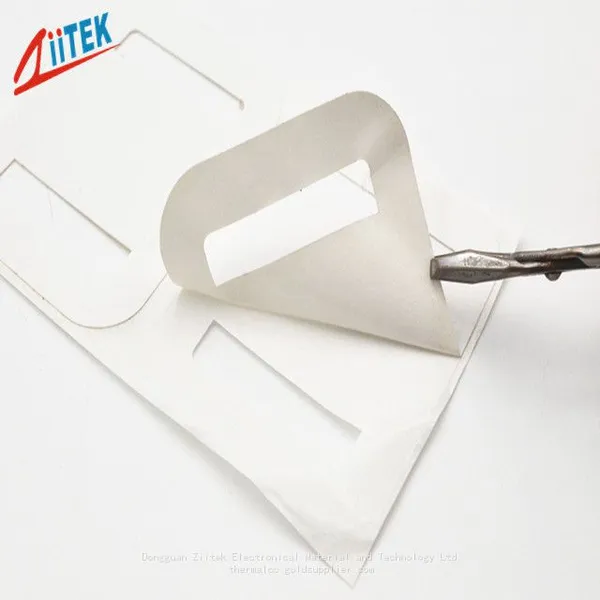
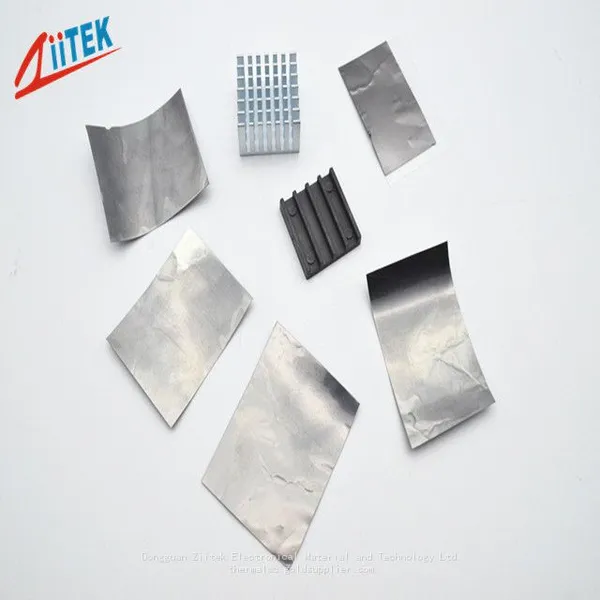
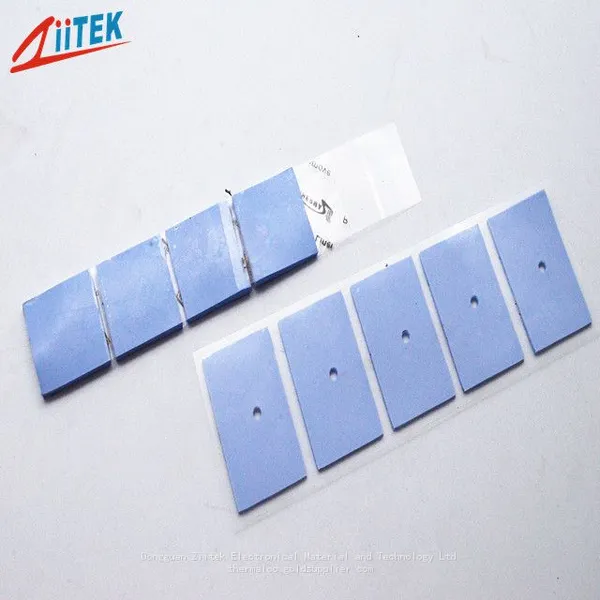
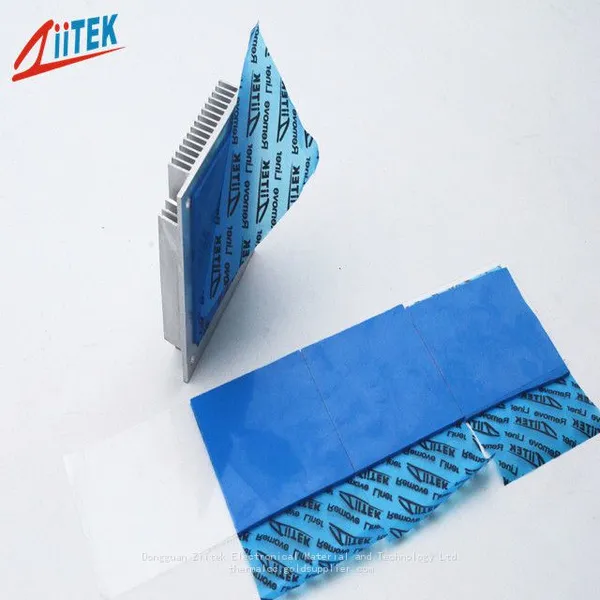
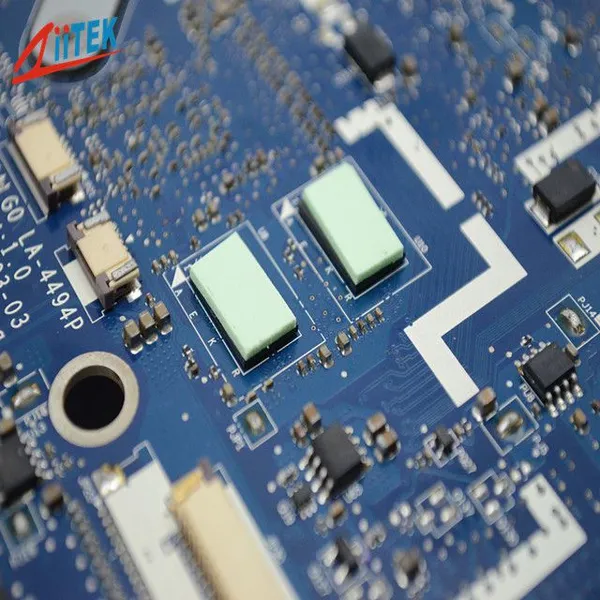
Inside electronic devices, heat accumulates as high-performance chips continue to work, threatening the stable operation of the device. Traditional heat dissipation methods, while effective, are increasingly limited by the trend towards higher performance and smaller sizes. However, the emergence of thermally conductive phase change materials seems to have opened a new door for us, revealing the secret of efficient heat dissipation.
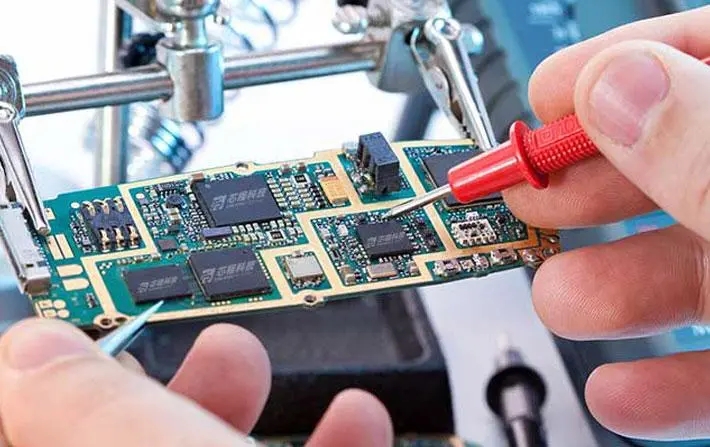
A thermally conductive phase change material, as the name suggests, is a material that undergoes a phase change when the temperature changes. Its ability to absorb a large amount of heat during the transition from solid to liquid makes it a unique advantage in the field of heat dissipation. Compared with traditional heat dissipation materials, thermally conductive phase change materials can maintain efficient heat dissipation over a wider temperature range, thus ensuring stable performance of electronic devices in different operating environments.
The magic of this material lies in its ability to quickly absorb a large amount of heat in a short period of time and distribute the heat evenly through the phase change process, avoiding the occurrence of local overheating. In addition, thermally conductive phase change materials have high thermal conductivity and are able to quickly transfer heat to the heat sink or the external environment, thus achieving efficient heat transfer. The application of thermally conductive phase change materials is not only limited to computer and communication equipment, but also widely extended to automotive electronics, aerospace and other fields. With the progress of science and technology and the expansion of applications, it is believed that thermally conductive phase change materials will bring us more innovations and surprises.
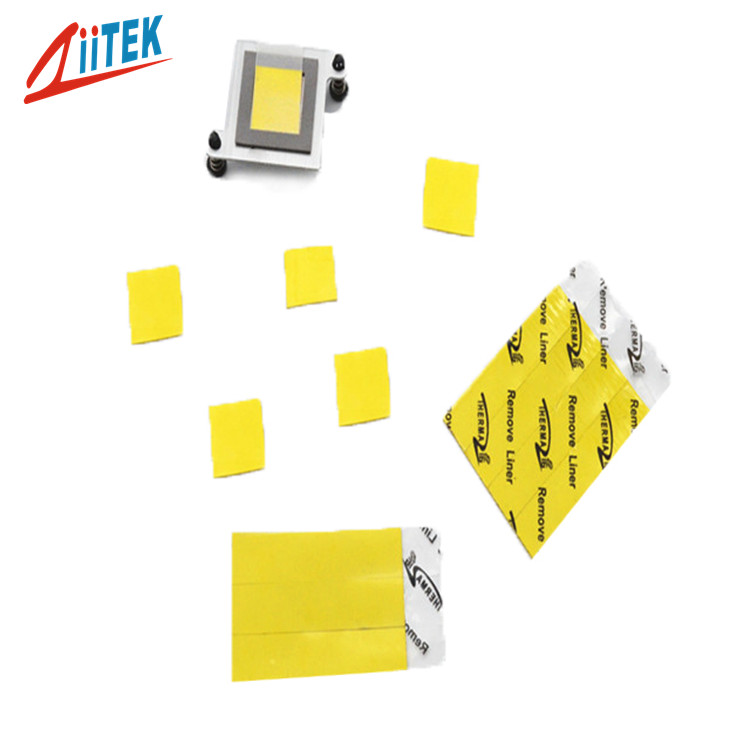
In short, thermally conductive phase change materials reveal the secret of efficient heat dissipation for us with their unique phase change characteristics and efficient heat dissipation performance. Its emergence not only brings new solutions to the field of heat dissipation of electronic equipment, but also provides strong support for the development of future science and technology.
Recently Posted
-
Ultra-Soft Thermal Pads for HBM, VRM and High-Density AI Servers
October 14, 2026Ultra-Soft Thermal Pads for HBM, VRM and High-Density AI ServersMeeting the Thermal Challenges of Next-Generation AI ComputingThe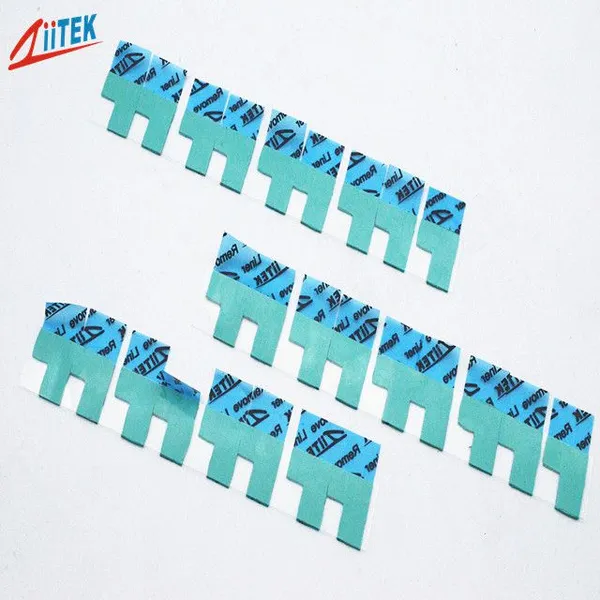 Read More
 -
How to Select Thermal Pad Thickness for AI Server Applications
October 9, 2026How to Select Thermal Pad Thickness for AI Server ApplicationsAs AI servers continue to handle increasingly demanding workloads, e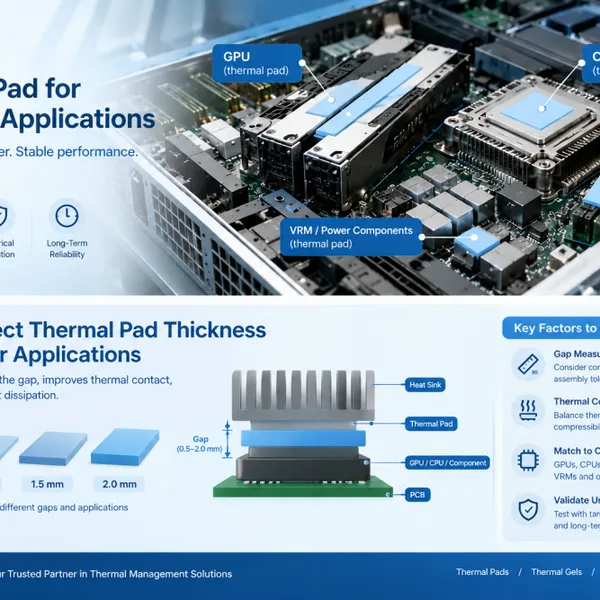 Read More
 -
Why Thermal Conductivity Is Not Enough When Choosing a Thermal Pad?
September 23, 2026Why Thermal Conductivity Is Not Enough When Choosing a Thermal Pad?When selecting a thermal pad, thermal conductivity is often the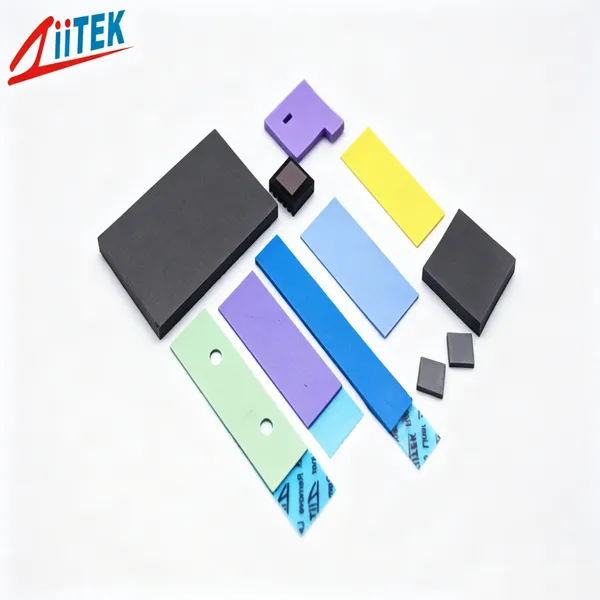 Read More
 -
Thermal Pad vs Thermal Paste: Which TIM Is Better for AI Servers?
September 17, 2026Thermal Pad vs Thermal Paste: Which TIM Is Better for AI Servers?As artificial intelligence continues to drive demand for high-per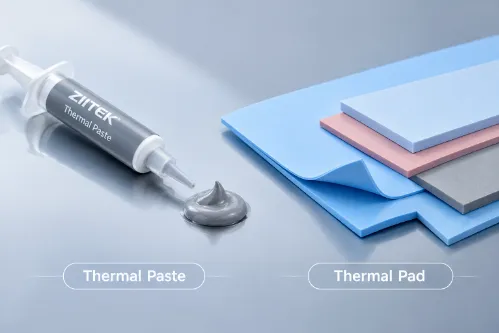 Read More

Contact Us

Recommended Products
-
 0.8W/mK Thermal Adhesive Tape With Excellent Thermal Conductivity and Adhesion Strength for in LED Lamp Heat Resistant ApplicationsUS$ 1 - 15MOQ: 10 Rolls
 -
Soft Silicone Base Thermal Pad 1.5W/mK Thermal Conductivity For In UAV And Electronic AssembliesNegotiableMOQ: 1000 Blades
-
Thermally Conductive CPU Thermal Pad Designed For In Electronic Devices To Improve Heat Transfer And Prevent Overheating IssuesNegotiableMOQ: 1000 Blades
-
Low Volatility Silicone Thermally Conductive Gap Filler Pads For Embedded MotherboardNegotiableMOQ: 1000 Blades
-
Electric Thermal Silicone Gap Filling Cooling Pad Thermal Absorbing Conductive Insulating PadNegotiableMOQ: 1000 Blades
-
High-Voltage Silicone Thermal Pad Insulation Material Heat Conduction Sheet For Efficient Heat TransferNegotiableMOQ: 1000 Blades
-
RoHS Certified 6.5W/M.K Thermal Pads Silicone Cooling Pad With Self-Adhesive For PC Laptop And AI Processors AI ServersNegotiableMOQ: 1000 Blades
-
CPU High Thermal Conductivity Die Cut Silicon Thermal Pad for AI Processors AI ServersNegotiableMOQ: 1000 Blades
-
Thermal Silicone Pad 5.0W High Conductivity Heat Dissipation Sheet For AI Servers, Inverters, Telecom DevicesNegotiableMOQ: 1000 Blades
-
Ideal Material Cut Into Any Shape Non-Toxic Silicone Thermal Pad For Medical DevicesUS$ 0.5 - 20MOQ: 1000 Pieces
-
Good Thermal Conductivity Thermal Pad Ultra Soft 0.5mm Ultra Soft Thermal Gap Pad For LED LightingUS$ 0.5 - 20MOQ: 1000 Pieces
-
Manufacrure High Durability 1.8W/M-K Thermal Conductive Silicone Pad For Electronic DevicesUS$ 0.5 - 20MOQ: 1000 Pieces
-
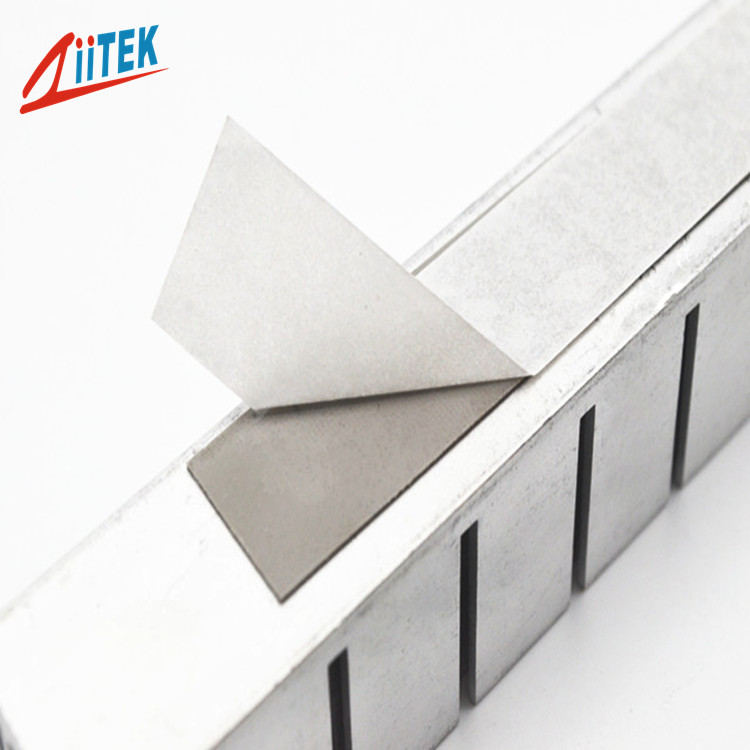
Low Melting Point Thermal Conductive Phase Changing MaterialUS$ 0.2 - 20MOQ: 1000 Pieces
-
TIF100-25-02F Ultra-Soft Silicone Thermal Conductive Pad for GPS Navigation And Other Portable DevicesUS$ 0.5 - 20MOQ: 1000 Pieces
-
Wholesale Customized 3.0W Thermal Conductive Silicone Free Gap Filler Pad for Battery Pack ApplicationUS$ 0.5 - 18MOQ: 1000 Pieces
-
Double Sided Thermal Conductive Tape for LED Light Integrated Circuit Packaging and Battery ManagementUS$ 1 - 15MOQ: 10 Rolls
-
Thermal Conductive Graphite Sheet For Mobile PhoneUS$ 0.1 - 10MOQ: 1000 Pieces
-
Insulation Silicone Thermal Pad Conductive Gap Filler Cooling Thermal Pad For Ev BatteryNegotiableMOQ: 1000 Pieces
-
Thermal Management Materials 3.0W Silicone Head Sink Thermal Pad for Electric Parts Heat TransferUS$ 0.1 - 10MOQ: 100 Pieces
-
Ultra Soft Graphite Sheet High Conductivity Thermal Heatsinks Film Graphite SheetsUS$ 0.1 - 10MOQ: 1000 Pieces